
Exploring the Benefits of Low Turns Ratio Current Transformers
Low turns ratio current transformers are becoming increasingly essential in various sectors, including power generation and distribution. As industries move towards more efficient energy management systems, these transformers offer significant advantages such as reduced losses and improved measurement accuracy. Jiangyin Changjiang Electric Appliance Co., Ltd. is at the forefront of this transformation, providing innovative solutions that align with market trends, enhancing operational efficiency, and ensuring reliability in electrical systems.
Low Turns Ratio Current Transformer
- manufacturer, factory, supplier from China(Total 6 Products for Low Turns Ratio Current Transformer)
-

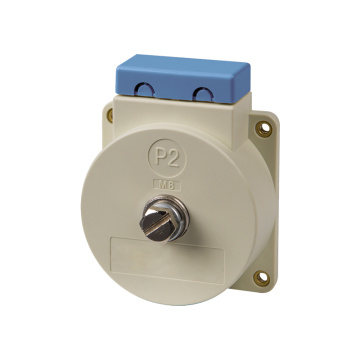 Unit Price:14.7~17.6USDM-Type Direct Wiring Current Transformer is suitable for places with low current and small space, easy to install: It can be directly installed using busbars, or installed using the base plate configured by our company.As a Direct Wiring Current...
 -
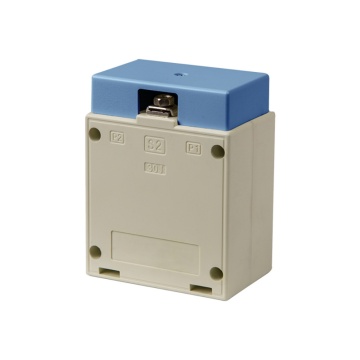 Unit Price:12.5~17.6USDMultiple mounting options: A: Straight long bar fixing, C: Side bar fixing, D1: Single piece platen fixing (straight piece).As a Direct Wiring Current Transformer, direct screw connections are used for both primary and secondary wiring. In the case...
 -
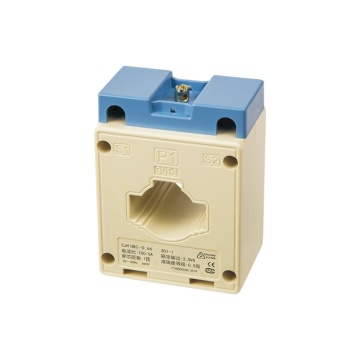 Unit Price:7.7~11.7USDThe round and square integrated holllow Square Round transformer is mainly used for the passage of single or multiple cables or a single busbar, and is used in conjunction with an ammeter as an indicator for electrical measurements. It is a low...
 -
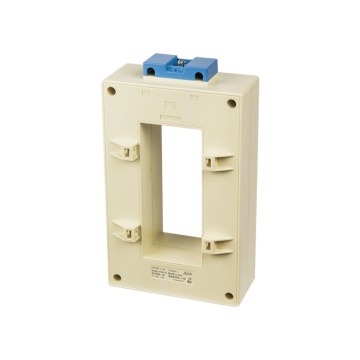 Unit Price:37~103USDOur low voltage current transformer is used to transform the high current to low current, being convenient for proper measurement and monitor. It can withstand the temperature from -40° to 110°. The window type current transformer can provide...
 -
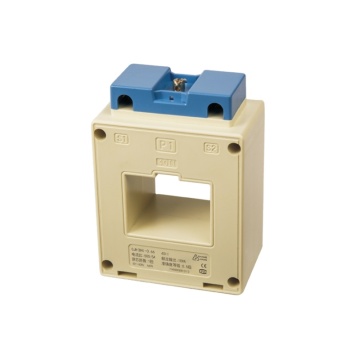 Unit Price:12.2~21USDThe horizontal square hole transformer is a brand-new kind of high rated capacity current transformer.It is mainly used in conjunction with ammeters and is employed for electrical measurement and indication purposes. The window type current...
 -
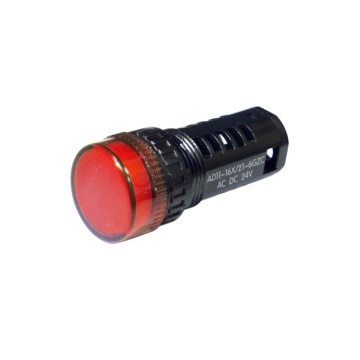 Unit Price:2.5~7.9USDThe LED Flashing Indicator Light adopts dynamic flash indication technology, redifining emergency signal and status alarms, which can catch instant attention in high-noise or visually chaotic environments.Combining the reliability of a pilot...

Applications of Low Turns Ratio Current Transformers in Renewable Energy
Low turns ratio current transformers are gaining traction in the renewable energy sector, particularly in solar and wind energy applications. These transformers help in accurate monitoring and protection of electrical systems, ensuring optimal performance and safety. By facilitating real-time data collection, they enable operators to make informed decisions, thereby increasing the overall efficiency of renewable energy installations. Jiangyin Changjiang Electric Appliance Co., Ltd. is committed to delivering high-quality transformers that meet the unique demands of this rapidly evolving market.
| Application | Market Share (%) | Growth Rate (2022-2025) | Key Benefits |
|---|---|---|---|
| Solar Power | 35 | 15 | Enhanced efficiency and monitoring |
| Wind Energy | 30 | 12 | Reliable performance under varying conditions |
| Industrial Automation | 25 | 10 | Improved safety and data accuracy |
| Electric Vehicles | 10 | 20 | Supports fast charging infrastructure |
Video

M Type Direct Wiring Current Transformer
J type Direct Wiring Current Transformer
Square Round Combined Hole Transformer
Vertical Square Hole Transformer
Horizontal Square Hole Transformers
LED flashing Indicator light
Key Trends in Global Low Turns Ratio Current Transformer Distribution
The global distribution landscape for low turns ratio current transformers is evolving, with a noticeable shift towards digital solutions and smart grid technologies. As demand for renewable energy continues to rise, the need for efficient monitoring and control systems becomes critical. Distributors are increasingly focusing on partnerships with manufacturers like Jiangyin Changjiang Electric Appliance Co., Ltd. to enhance their product offerings and meet the growing market needs. The trend indicates a robust growth trajectory, driven by technological advancements and increasing awareness of energy efficiency.